
An island of a thousand flavours
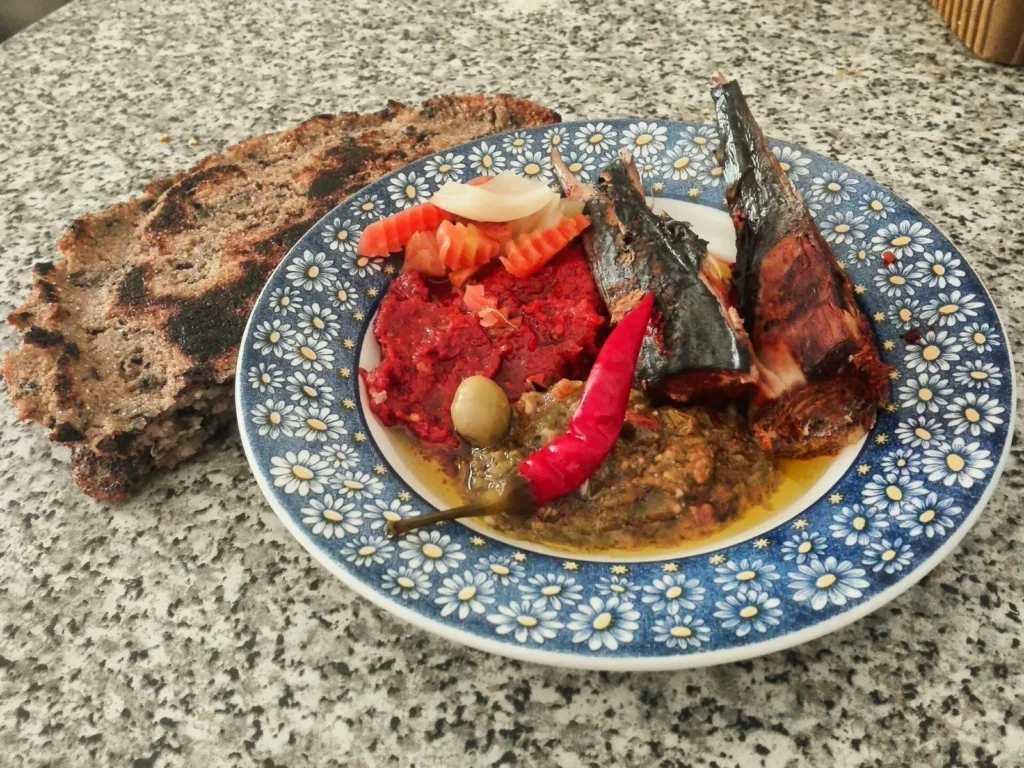
Traditional Djerba cuisine tells the story of the island itself: Berber, Arab and Mediterranean influences, fresh seafood, local olive oil and the spices that scent every pot. On this sun-drenched island, cooking takes its time — done in family, with market produce and techniques handed down through generations. The result: generous, naturally flavourful dishes, very often halal by tradition. For reference, see UNESCO Intangible Heritage listing for couscous.
Signature dishes of traditional Djerba cuisine
Fish couscous
The island’s signature dish is made with grouper, sea bass or sea bream depending on the morning’s catch. Potatoes, pumpkin, peppers and a lightly spiced tomato sauce sit on a bed of semolina. It is traditionally shared on Fridays, with family, after the joumu’a prayer. Every household has its own version — some add caraway, others a touch of dried mint.
Brik with egg
Crispy outside, melting inside, brik shows up at almost every Djerbian table. A sheet of malsouka pastry, a whole egg, tuna, capers, parsley — then straight into hot olive oil. In Djerba it is also made with prawns or cheese. It takes some practice: the yolk has to stay runny.
Rouz jerbi (Djerbian rice)
Rouz jerbi simmers slowly in a spiced tomato sauce with lamb or chicken. Turmeric, caraway and dried chilli give it a golden colour and a signature aroma. It is the dish of big family gatherings, when the whole household meets around a single platter.
Mloukhia
Made from dried jute leaves ground into a green powder, mloukhia is slow-cooked for hours with beef, garlic and spices. Its silky, almost velvety texture makes it a comforting winter dish, served over rice or with homemade bread.
Ojja
Tunisia’s take on shakshuka, ojja combines ripe tomatoes, peppers, garlic, harissa and eggs cracked in at the end of cooking. In Djerba it is often made with merguez sausage or prawns. A simple, generous evening dish eaten straight from the pan with good bread.
Chorba and lablabi
Chorba frik (cracked-wheat soup with lamb) and lablabi (chickpea soup with cumin and garlic) warm up cooler evenings. More common in northern Tunisia, both have found their place in Djerbian kitchens — lablabi is often eaten at breakfast.
Sweets and pastries
On the sweet side, makroudh (semolina diamonds filled with dates and dipped in honey) and baklawa with almonds remain the stars. You will also find ghraiba (chickpea-flour shortbread), kaak warka scented with rose water, or a simple bsissa at breakfast. All of it served with pine-nut mint tea or a strong Turkish coffee.
Djerba’s signature local products
Djerba cuisine draws its strength from local ingredients:
- Olive oil: Djerba is one of Tunisia’s major olive-producing areas. Centuries-old trees yield a fruity oil, often cold-pressed in small southern mills.
- Mediterranean fish: grouper, sea bass, sea bream, red mullet, squid and octopus arrive fresh every morning at the Houmt Souk stalls.
- Dates: the translucent Deglet Nour variety from the nearby south of Tunisia is served with tea and pastries.
- Rigouta: a traditional fresh Tunisian cheese, close to ricotta, used in salads and desserts.
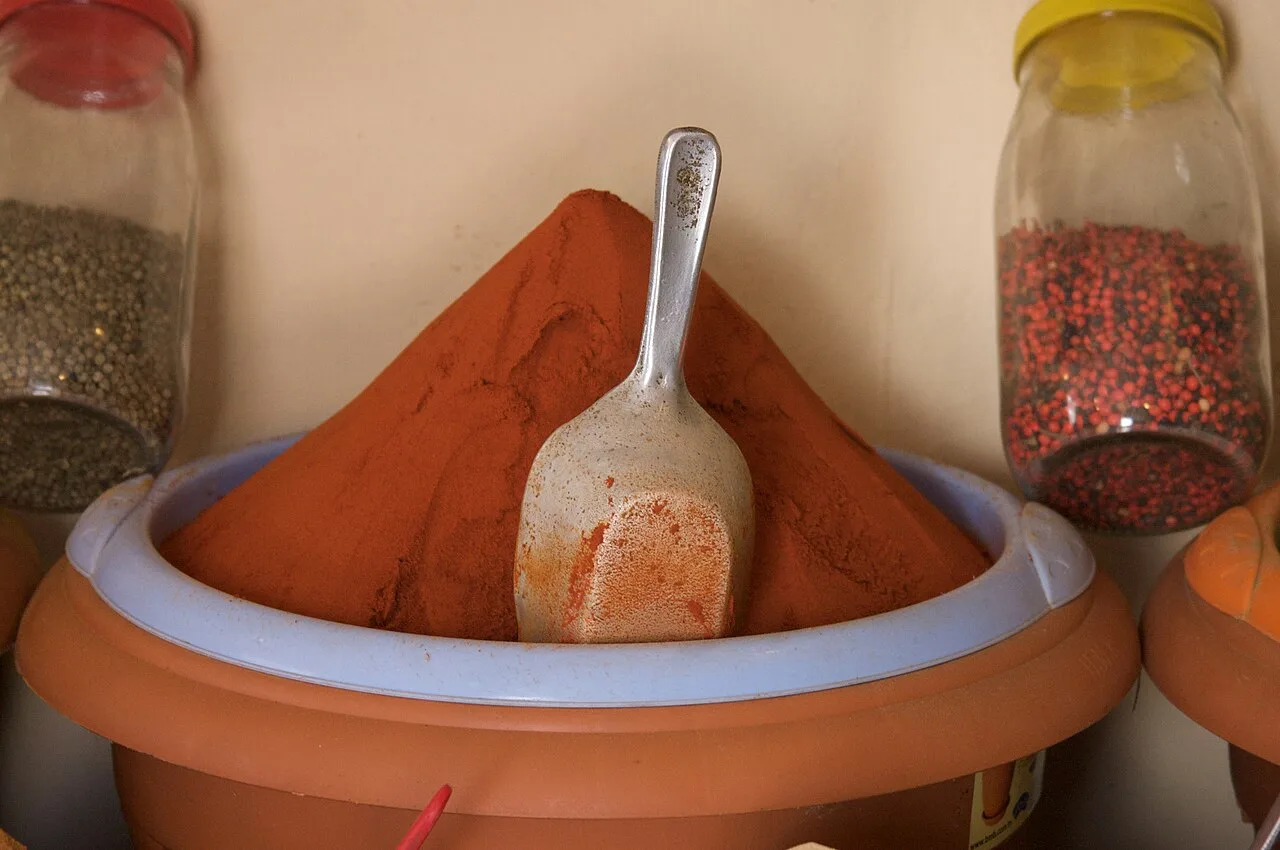
- Homemade harissa: every family has its own recipe, based on dried red peppers, garlic and olive oil.
When and where to eat
The main lunch is taken around 1 pm, often with family. Dinner is later, between 8 and 10 pm. For local shopping, head to the Houmt Souk market: daily fish market and a large weekly market bursting with fish, fruit, spices and olives. For traditional restaurants, Midoun and Houmt Souk are your best bet for a couscous or a rouz jerbi cooked the homemade way.
Cooking in your villa at Ethic Village Djerba
Every villa at Ethic Village Djerba has a fully equipped kitchen — hob, oven, fridge, utensils. Nothing stops you from coming back from the market with fresh fish, artisan harissa and local olive oil to cook with your family, at your own pace. If you would rather not cook, we can arrange a couscous prepared by a local caterer on request — delivered straight to your terrace through the villa’s service hatch.
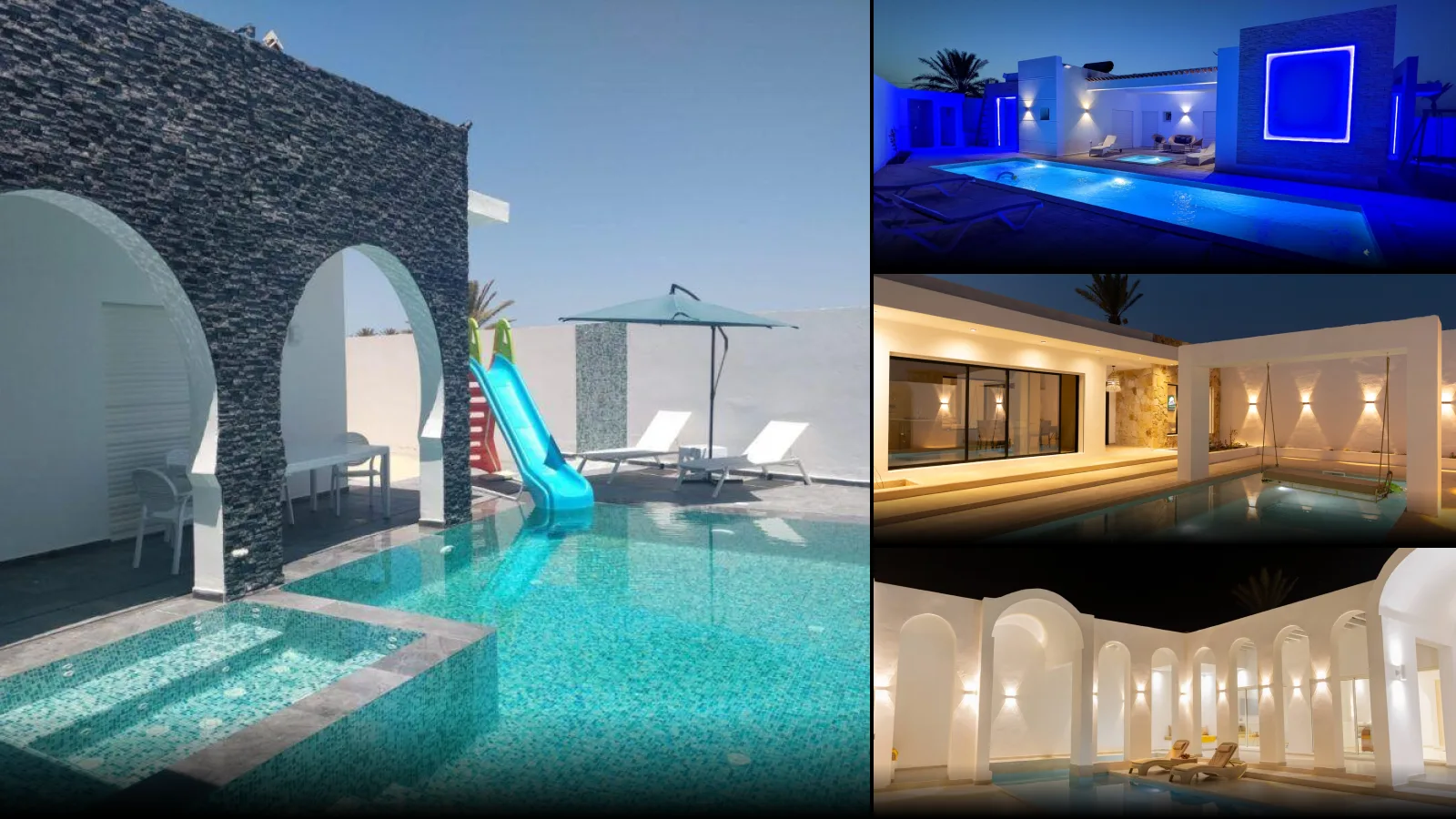
A Muslim-friendly stay around the table
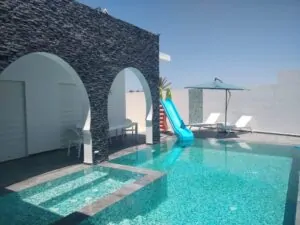
Tasting traditional Djerba cuisine is even better in a setting that respects your values. Our villas at Ethic Village Djerba offer a secluded private pool, a prayer mat and the qibla marked in every bedroom, and a strictly alcohol-free policy. Families cook halal with local market produce, share meals on the terrace, and pray quietly at home. One small note: some Tunisian restaurant dishes may contain wine used in cooking — it is always worth asking before you order.
To keep exploring, you may also enjoy: the family holiday guide to Djerba, May and June, the best time in Djerba, and Ramadan in Djerba.
Enjoy the flavours — we look forward to welcoming you around a Djerbian table.
More on this: the must-see places in Djerba.
Discover: our practical guide to a family holiday in Djerba.