
Planning Muslim-friendly family holidays in Djerba from the UK means looking for more than a sunny break. You’re looking for somewhere the call to prayer is part of the soundscape, where alcohol doesn’t appear at the next-door pool, where the kids can run barefoot in the garden while you cook, and where halal food is the everyday standard rather than an exotic option you have to hunt for. That’s exactly what the island of Djerba, in southern Tunisia, has offered Muslim families for centuries. This 2026-2027 guide is built for British Muslim families — including those flying in from Manchester, Birmingham, London Gatwick or Edinburgh — and it walks you through every decision: when to go, where to stay, how to eat, what to do, where to pray, how to fly, and what it actually costs in pounds. Whether you’re booking for the May half-term, the long summer holidays, or a quieter October getaway, here’s everything you need to know before unpacking your suitcases at Ethic Village Djerba.
Why Djerba for Muslim-friendly family holidays
Djerba is not a Muslim-friendly destination because it suddenly noticed a market opportunity. It’s a Muslim island that has been so for over thirteen centuries, with a population that is overwhelmingly Muslim and that lives its faith in a quiet, unshowy way. Historically, the island has a strong Ibadi presence — a school of Islam known for its moderation, sense of community and rejection of ostentation — alongside a Sunni Maliki majority that arrived more recently. In practical terms, what makes a Muslim family feel at home is already there: butchers are halal, corner shops sell ghee, dates and fine semolina, mosques shape the rhythm of the day, and women in hijab are the norm rather than the exception.
For a British Muslim family, that change of environment is genuinely restful. You no longer explain why you don’t drink, you no longer hunt for a discreet corner to pray dhuhr in public, and nobody asks why your children skip the bacon at breakfast. The climate adds to it: Djerba enjoys around 300 days of sunshine a year, mild winters (15-18°C in January-February) and fine sand on practically every beach. The Mediterranean here is calm, shallow over long stretches — perfect for young children learning to swim.
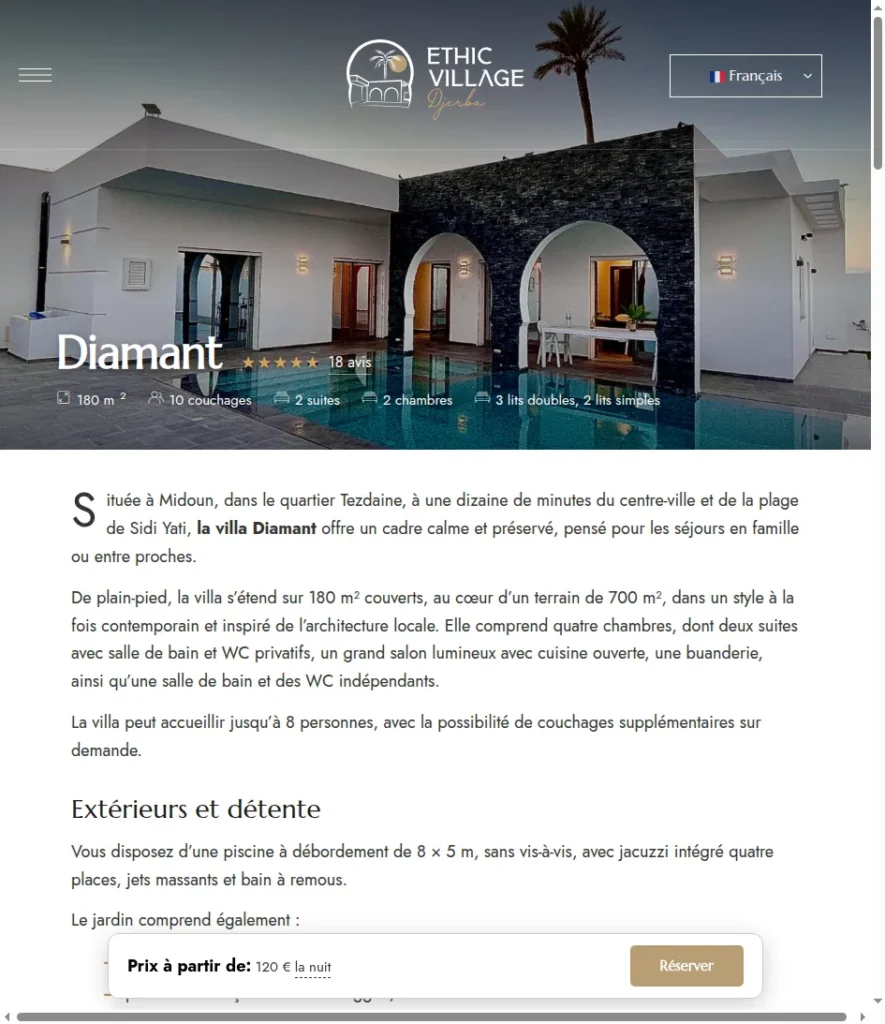
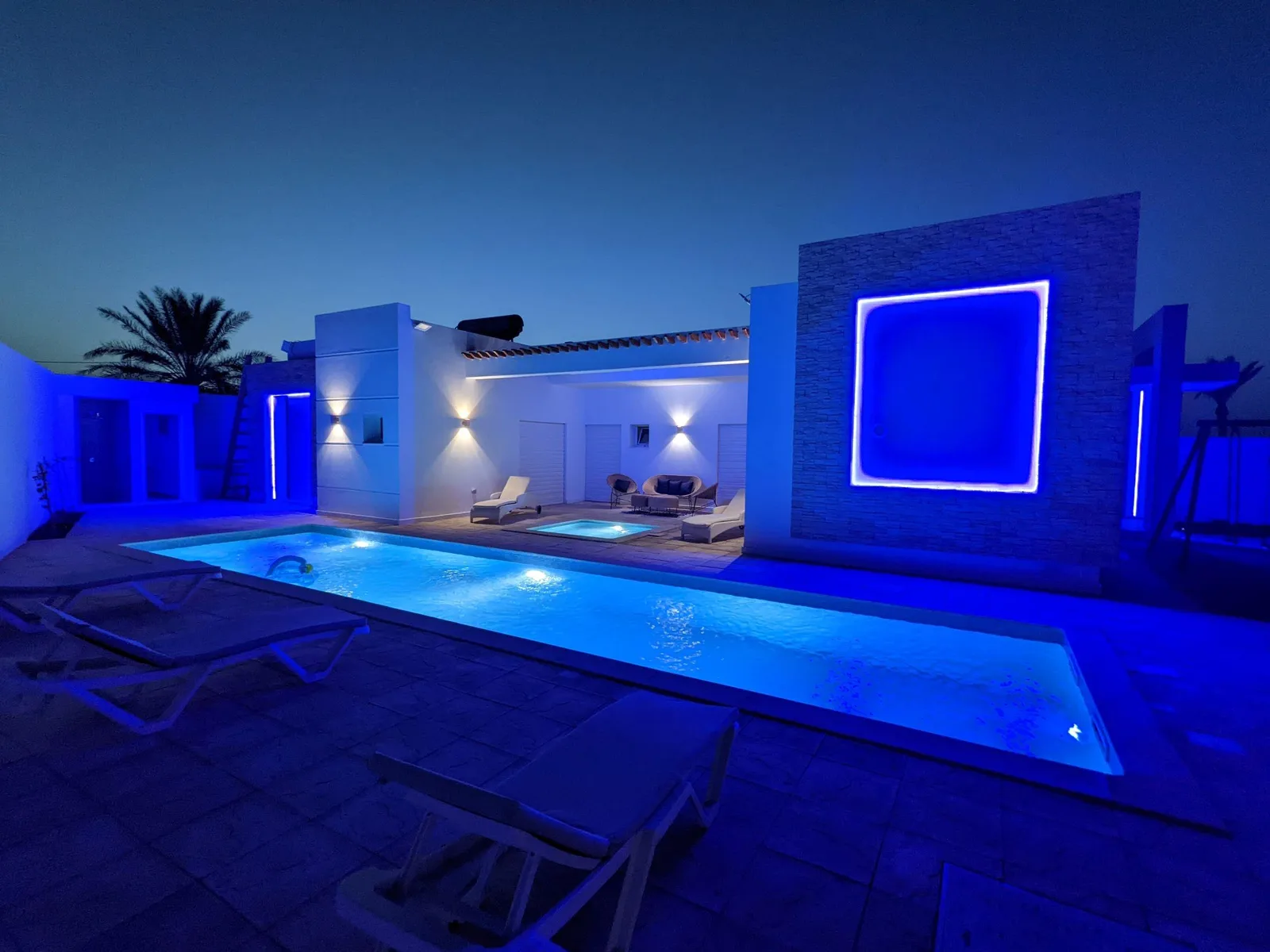
The other reason British Muslim families gravitate towards Djerba is the option of a secluded private villa. In our four villas at Tezdaine — Diamant, Saphir, Opale, Jade — the swimming pool is enclosed by walls and planting, the garden is fully fenced, and nobody watches when the women swim or the kids splash. That total privacy is the opposite of the standard hotel experience, where a shared pool and timetabled entertainment make modest swimming all but impossible. For a family who wants halal holidays without compromise, a private villa in Djerba is a natural choice.
When to go: seasons and UK school holidays
Choosing the best time for halal family holidays in Djerba is partly about climate and partly about the British school calendar. Here’s how each holiday window maps onto the island, with the pros and cons your booking should weigh up.
February half-term — quiet south coast
UK February half-term (typically the third week of February) sits in mid-winter on the island. Temperatures swing from 10°C at night to 18-20°C in the afternoon. The sea is too cold for swimming, but a heated pool inside a private villa stays comfortable. This is the season for families who’d rather cycle, explore Houmt Souk, Djerbahood and the Midoun market without the summer crush. Flights from London and Manchester are at their cheapest of the year — often ~€165-€235 return per person.
Easter holidays — the sweet spot
Mid-April to early May is the best season for a family break in Djerba. Daytime temperatures are mild (22-26°C), almond and bougainvillea are in full bloom, and the first sea swims become possible from mid-May. For British families, the Easter holidays often fall inside this window — perfect for discovering the island without the crowds and with already-comfortable pool water. Flights from Gatwick, Manchester and Birmingham are at pre-peak prices, which keeps the budget sensible. Expect around €210-€305 per person return from London hubs in early April.
May half-term — first proper swims
The late-May / early-June half-term is when Djerba really starts to feel like a beach destination. Sea temperatures hit 21-23°C, the island isn’t yet packed, and prices haven’t hit summer peak. For families with kids in primary school in particular, this one-week window often delivers better value than a full fortnight in August.
Summer holidays — July and August, the family peak
July and August are when most British families take their long summer break. Djerba climbs to 32-34°C in the day, but a sea breeze and pleasant nights (around 22°C) keep summer manageable. Sea temperature sits at 26-28°C — perfect for the kids. The trade-off: the island gets busy, the most-visited beaches (Sidi Mahres, Aghir) fill up by mid-afternoon, and flights are at their seasonal peak — typically €410-€590 per person return from Manchester or London. This is precisely the season when a private villa beats an all-inclusive hotel: your private pool spares you the busy tourist zones.
October half-term — the hidden gold
UK October half-term (last week of October) is probably Djerba’s best-kept secret. The climate is still warm (24-26°C in the day), the sea is at 22-24°C, the beaches empty out, and prices fall sharply. For families willing to swap the Algarve for somewhere a touch further south, this is when the island feels almost local again. The markets at Houmt Souk and Midoun return to a Djerbian rhythm, and you’ll spot more islanders than tourists.
Christmas and winter — long-stay option
For retired travellers, longer stays and home-schooling families with flexibility, winter in Djerba is a serious option. Temperatures stay mild (15-20°C in the day), rainfall is low, and rates on flights and rentals are at their lowest. Many of our British and European guests choose to overwinter from November to March to escape the European cold, on a long-stay package with cleaning and laundry included.
Where to stay: private villa vs hotel
Choosing between a private villa and an all-inclusive hotel is probably the most defining decision of your stay. For a British Muslim family, the difference isn’t simply about comfort — it determines whether your holiday actually aligns with your values, or whether you’ll spend the week working around an environment that doesn’t.
The all-inclusive hotel, dominant on Djerba’s Tourist Zone, looks practical at first glance: meals are included, kid-clubs keep the children busy, you don’t have to cook. But the trade-offs are well known. Alcohol flows freely at the buffet, the pool is shared with hundreds of other guests, evening entertainment can be far from your family culture, and privacy is a luxury you can’t actually buy. For women who want to swim without being watched, that’s a deal-breaker.
A private villa answers exactly that demand. You’re at home: a secluded private pool is yours for the length of the stay, the garden is enclosed, the kitchen is fully fitted and you do your shopping in local stores (all naturally halal). The kids play safely, you pray when you want, you eat what you want when you want. The cost isn’t necessarily higher than an equivalent hotel: at Ethic Village Djerba, our four villas sleep 4 to 8 in separate bedrooms, which dilutes the per-person cost for a larger family. Pricing typically runs from around €160/night in shoulder season to ~€310/night in high season, shared across the family.
Our detailed comparison private villa vs all-inclusive hotel in Djerba walks through every angle — privacy, halal, price, services — to help you decide on solid ground.
Eating out: halal meals and certification standards
The question of halal food doesn’t really arise in Djerba — or rather, it arises the other way around. Almost every restaurant and butcher on the island serves halal by default, because the local population is Muslim. You don’t need to look for a label or a dedicated certificate: the corner baker, the fishmonger, the family-run beachside restaurant all work in the traditional halal framework. There’s no equivalent of the UK’s Halal Monitoring Committee (HMC) or Halal Authority Board on the island, simply because the entire food chain is already halal.
Three exceptions worth knowing about. First, some hotels in the Tourist Zone serve pork and alcohol in their restaurants for European guests — that’s their right, but it doesn’t reflect the island. Skip those buffets if you want to be careful. Second, a few highly-touristic beach restaurants may serve uncertified imported products (industrial pizzas, ready meals) — go for family-run restaurants that cook on site instead. Third, modern supermarkets (Carrefour, Géant) have an “imported products” aisle that may stock non-halal cured meats — read the labels exactly as you would back home.
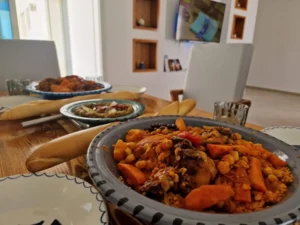
For families staying in a villa, the simplest option is home-cooked meals. Our halal home-cooked meals service brings Djerbian dishes prepared on the premises by a local cook — couscous, ojja with merguez, brik with egg, grilled fish from the market — without you having to face the stove after a beach day. It’s a paid extra, but it’s one of the most-loved services among our family guests.
Things to do as a family: 10 unmissable experiences
Djerba isn’t only a base for relaxing — it’s an island rich in cultural, natural and historical sites that work for kids. Here are ten experiences that British Muslim families remember most.
- The Lalla Hadria Museum, near Midoun, traces the art and crafts of the Arab-Muslim world over fifteen centuries: ceramics, manuscripts, costumes, furniture — a visual, concrete introduction to Islamic civilisation for the children.
- Djerba Explore, a culture-and-theme park near Midoun, features Tunisian traditions, a crocodile farm and a recreated Djerbian village — works for children from age 4-5 upwards.
- Sidi Yati beach, on the east coast, is one of the wildest stretches on the island: white sand, turquoise water, few people even in summer. Nearby, the Borj Kastil promontory offers a stunning sunset view.
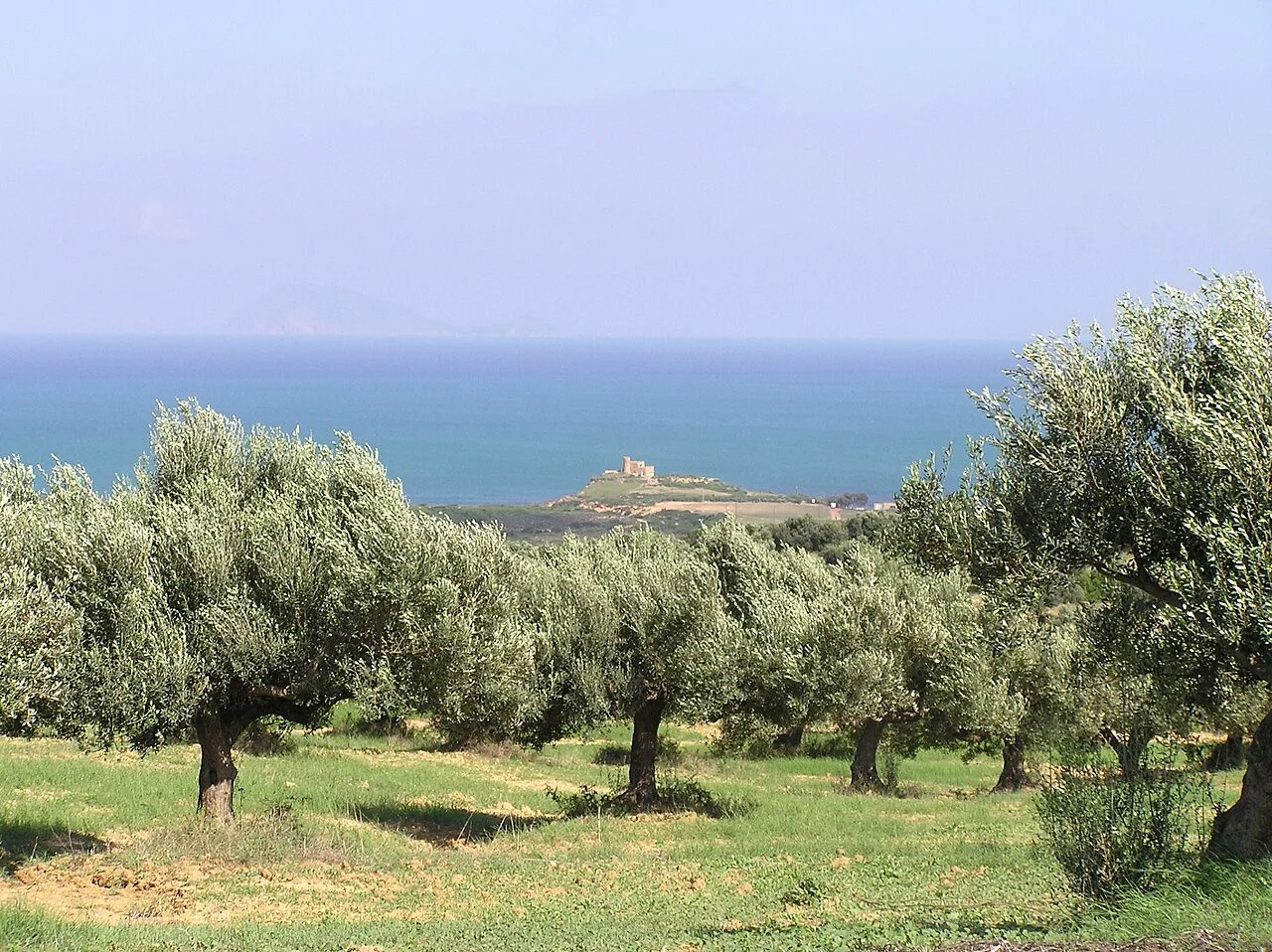
- A family bike ride along the east-coast cycling lanes or through the Tezdaine olive groves. Djerba is flat, distances are short, and kids can ride safely.
- Djerbahood, in Erriadh, is a village whose white walls have been repainted by 150 street artists from around the world. An unexpected, photogenic cultural walk for teens.
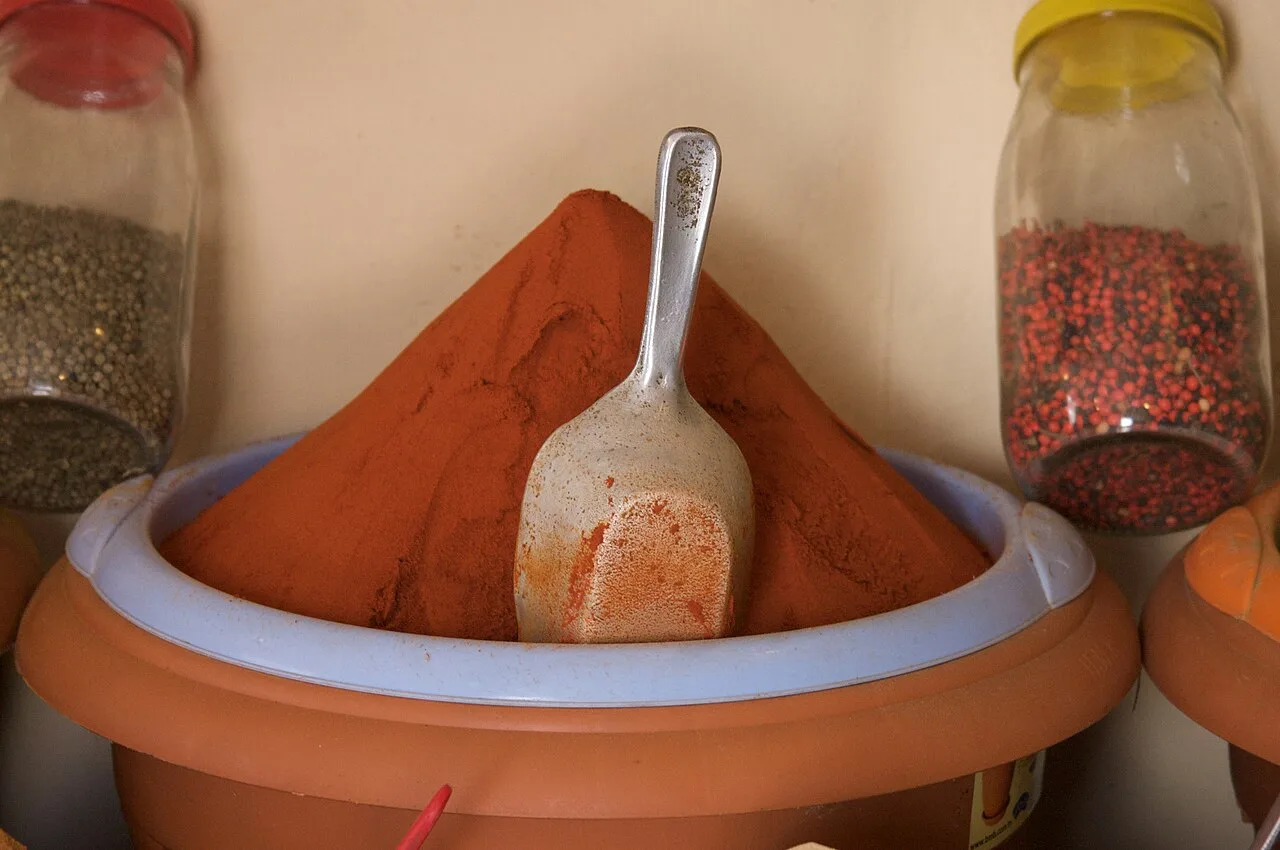
- Houmt Souk market, in the medina, where you’ll find Guellala pottery, woven rugs, handcrafted jewellery and spices. The fish market mid-morning is a show in itself.
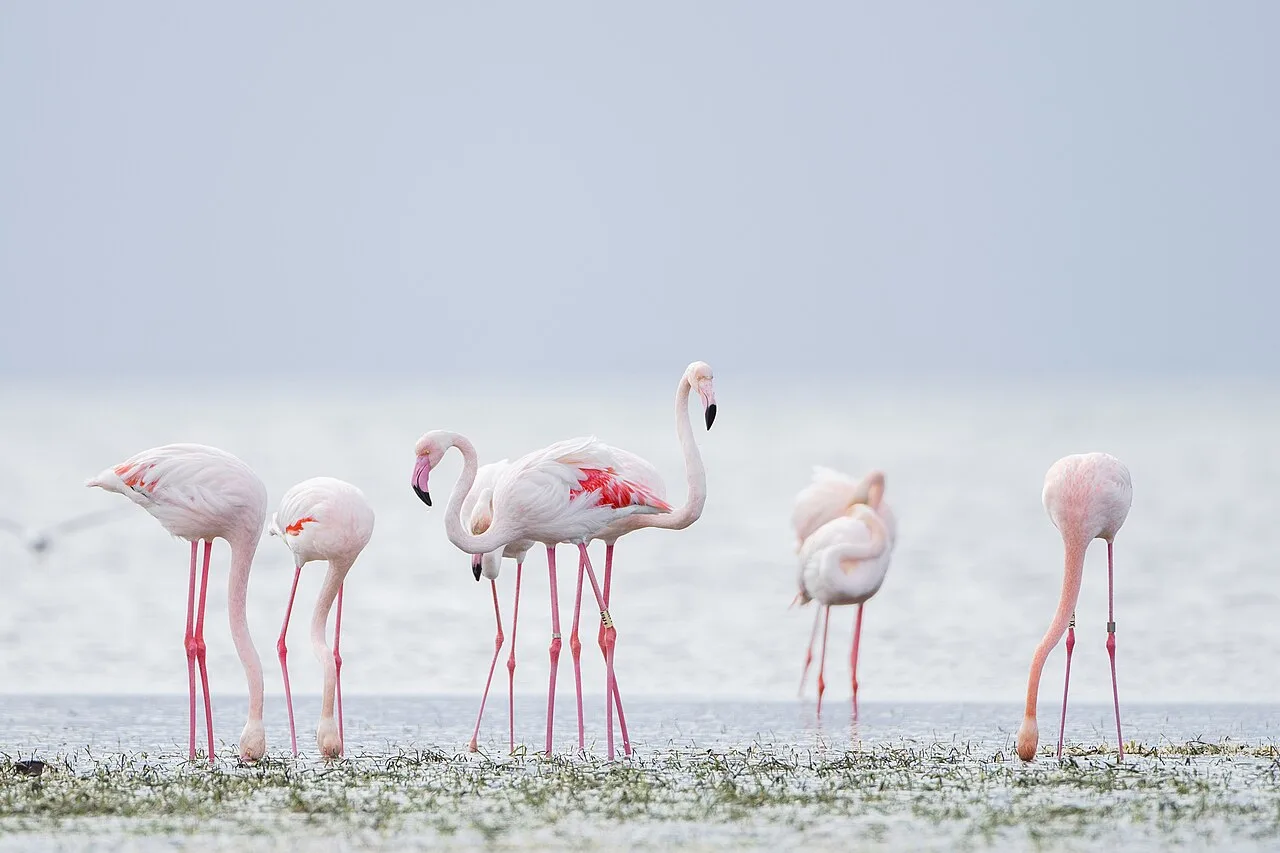
- Watching pink flamingoes in the south-western lagoon, near Borj Jillij or the Bin El Ouedyene palm grove. Flamingoes gather here in large numbers from October to April — bring binoculars.
- Guellala pottery, the potters’ village in the south-west, runs workshops where children can try the wheel. Leave with a handmade piece rather than an industrial souvenir.
- A day trip to the mainland: Matmata and its troglodyte dwellings, Tataouine and its fortified ksour, or Ksar Ghilane for an overnight in the Sahara. Plan for a long day and start early.
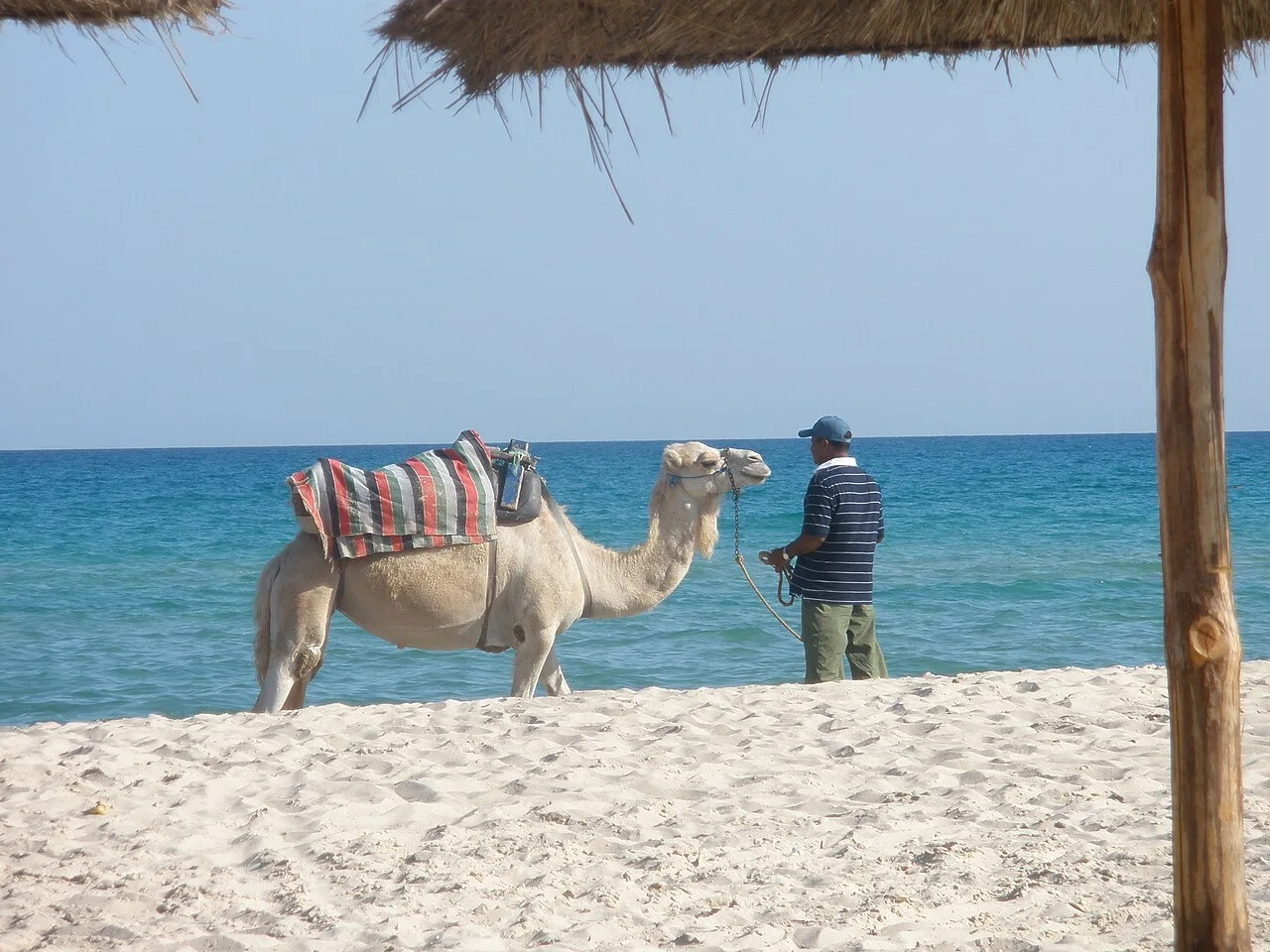
- Camel or horse rides at sunset along the east coast. A gentle, short experience (30-60 min), suitable from age 5-6.
Mosques and prayer facilities
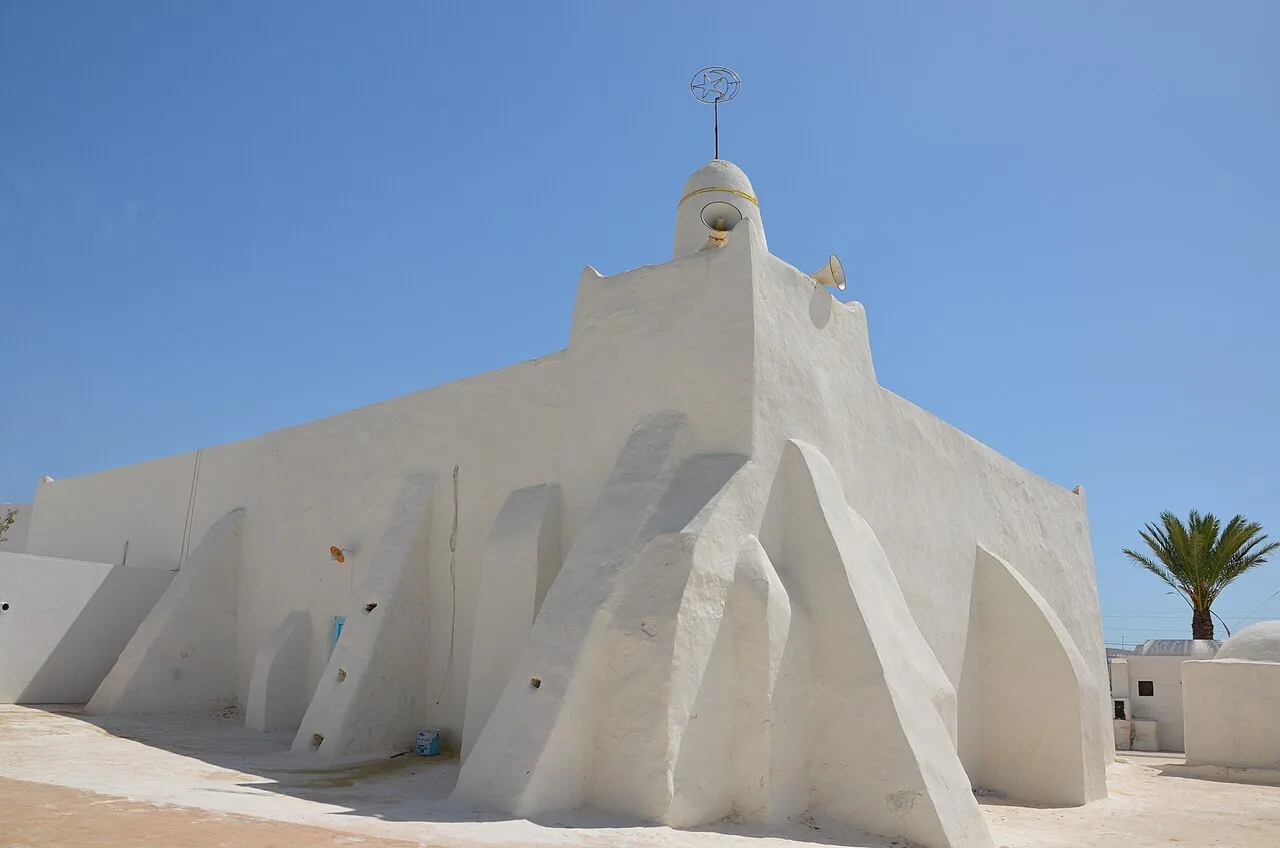
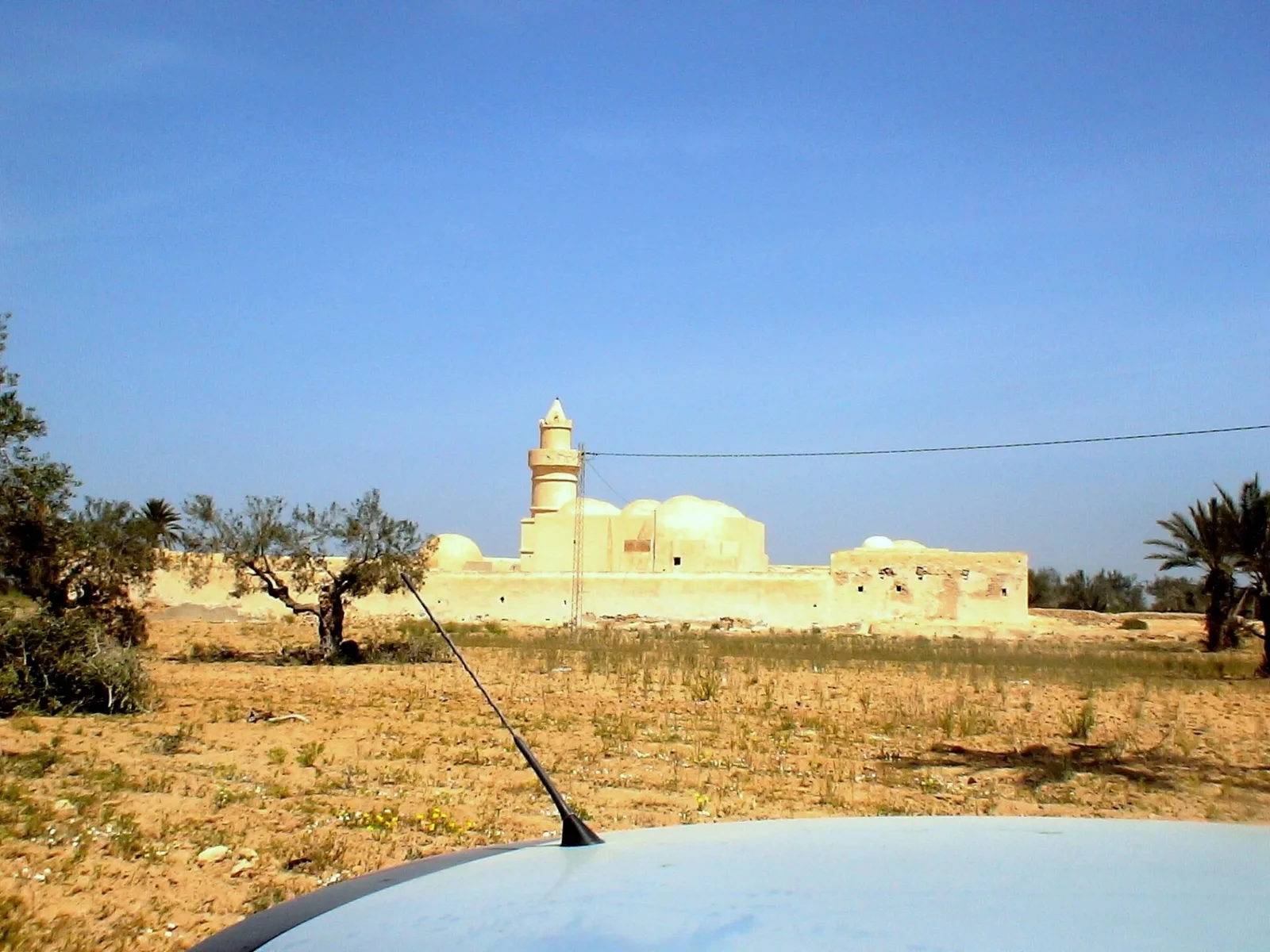
Djerba has close to 300 mosques on its 514 km², making it one of the most densely served islands in the Muslim world. The reason is the island’s Ibadi history: each village, each neighbourhood has historically had its own mosque, often simple and low, painted white, with a modest minaret on the older ones. It’s one of the most distinctive religious landscapes in North Africa. For official figures, see Djerba inscribed by UNESCO in 2023.
A few notable mosques to know if you’re staying in Tezdaine or visiting the island:
- Troujette Mosque — the closest to our villas, about 5 minutes on foot. It’s our neighbourhood mosque; the men go there for the five daily prayers.
- Khalid Ibn Al Walid Mosque — about 10 minutes on foot from our villas, slightly larger, with a car park. Handy for Friday when the area fills up.
- El Bassi Mosque, in Houmt Souk — a historic fortified seafront building from the Ottoman era. Visitable from outside; the interior is reserved for worshippers at prayer times.
- The underground mosque of Sedouikech — one of the oldest troglodyte mosques on the island, partly buried. A testament to early Ibadi architecture.
- The minaret of Houmt Souk, in the medina, is one of the most recognisable monuments in the island’s capital. Open for Friday prayer.
For prayer at home, each villa is equipped with prayer mats, and the Qibla direction is marked in every room. You’ll also find what you need for ablutions in the bathrooms. If you’re travelling with children, that detail spares you the daily improvisation of a makeshift prayer corner.
With young children: practicalities
Travelling to Djerba with toddlers or babies asks for a little anticipation, but the island remains one of the most family-friendly Mediterranean destinations for very young children. Here’s the practical detail British parents most often ask us about.
Prams, beaches and accessibility
Djerba’s villages have uneven pavements — an off-road buggy or a sturdy umbrella stroller is preferable to a city pram. The beaches are fine sand, which makes pram-pushing tricky: models with wide wheels (all-terrain types) cope better. For babies who aren’t walking yet, an ergonomic baby carrier is often more practical on the island than the pram. Pram-friendly access at the villa itself is plain-pied (single-storey) — no stairs to negotiate at the front door.
For child-friendly beaches: Sidi Mahres is the most practical (shallow water for 50-80 metres, fine sand, no current), Sidi Yati is calm but unequipped (no natural shade, no water point), and the south coast around Aghir has a very shallow lagoon ideal for toddlers.
Back at the villa, the whirlpool at villa Saphir can double as a paddling pool for the youngest, and villa Opale has its toddler swing, a sandpit and an outdoor shower.
Paediatricians, pharmacies and care
Djerba has a regional hospital in Midoun and several private medical practices in Houmt Souk. Most paediatricians consult in French, with a fair number speaking English too. Pharmacies are plentiful, open during the day with a night roster; you’ll find children’s paracetamol, syrups and standard care products at modest prices. For your child’s specific medication, bring the full course from the UK — the local equivalent often exists but under a different brand name. For NHS-equivalent travel cover, check that your travel insurance explicitly covers Tunisia (some “Mediterranean only” policies exclude it).
Babysitting, baby food, halal groceries
Babysitting can be arranged through your accommodation: at Ethic Village Djerba, we put you in touch with local babysitters, on request and as a paid extra. For baby food, supermarkets and large pharmacies stock the European brands you know (Nestlé, Hipp, Aptamil-equivalents) along with Tunisian alternatives; first and second-stage baby formula is widely available. For everyday shopping — fruit, vegetables, meat, fish — the corner shops at Tezdaine and the Midoun market offer halal-by-default produce at noticeably lower prices than UK supermarkets.
How to get there: flights from the UK
Djerba is served by its own international airport, Djerba-Zarzis (code DJE), on the island’s west coast. Most British and European families arrive directly, without changing planes in Tunis.
Direct flights from London, Manchester and Birmingham
Several airlines serve Djerba directly or via short connections from the UK:
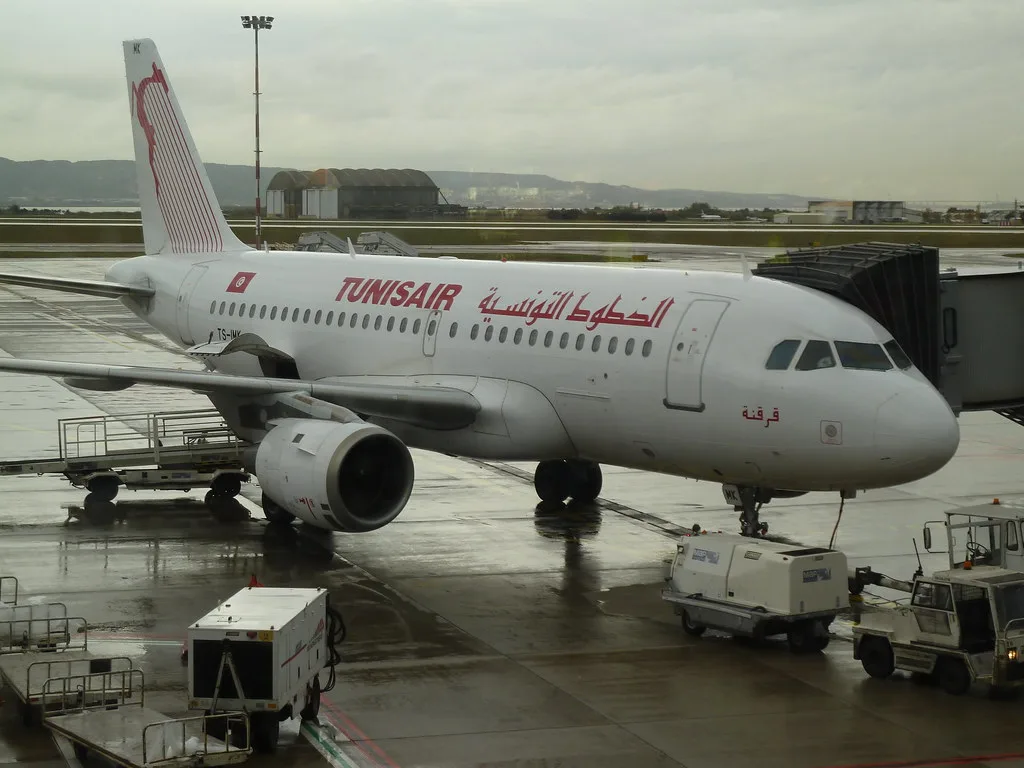
- Tunisair, the national flag carrier, operates direct flights to Djerba from London Gatwick during peak summer, plus year-round flights via Tunis from Heathrow. Flight time is around 3 hours direct, 5-6 hours with the Tunis stop.
- Nouvelair, a Tunisian carrier, runs seasonal direct flights from London Gatwick and Manchester to Djerba, especially through summer. Often very competitive on price.
- TUI Airways operates direct charter flights from London Gatwick, Manchester and Birmingham to Djerba on family-friendly schedules through the British school holiday windows.
- EasyJet, Wizz Air and other low-cost carriers do not currently fly to Djerba directly — for them you’d connect via Tunis (TUN) on Tunisair Express, or via a European hub (Paris, Rome).
Direct flight time from London Gatwick is around 3 hours; from Manchester or Birmingham, 3 to 3h30. Compare TUI for charter packages and Nouvelair / Tunisair for scheduled fares — the cheapest option flips between them depending on the season. For a deeper dive on flight options to Djerba, our practical guide covers carriers, frequencies and booking advice.
Visa and entry requirements for UK passport holders
British passport holders enter Tunisia visa-free for tourist stays of up to 90 days. Your passport must be valid for at least 3 months from your return date. For children, an individual passport is mandatory. If a child travels with only one parent, a permission letter from the other parent may be requested at the border — bring the original. The post-Brexit rules are unchanged on the Tunisian side: there’s no biometric residence permit confusion, and you do not need an ETA, ETIAS or e-visa for Tunisia (these only apply to entries into the UK and Schengen, not Tunisia).
No vaccinations are required for Tunisia. The NHS Fitfortravel page lists Hepatitis A and typhoid as recommended (not required) for travellers staying with local families or eating outside tourist areas — worth a check with your GP eight weeks before departure if you’re staying long. Travel insurance: confirm your policy explicitly covers Tunisia, as some cheap “Mediterranean” policies exclude North Africa.
Budget: how much halal family holidays in Djerba cost
Djerba remains one of the most accessible Muslim-friendly destinations from the UK. Here are the typical ranges our British and European guests report, based on a family of 4-6 on a one-week stay. Booking is in euros.
- UK-Djerba return flights in shoulder season (March, October, November): €165-€260 per person. In peak season (July, August, school holidays): €410-€590 per person.
- Private villa rental for 4-8, per week: from around €160/night in shoulder season to up to €310/night in high season. Booking is priced in euros; that works out to roughly €30-€65 per person per night for a family of 5-6.
- Weekly groceries in the villa (breakfasts, lunches, home-cooked dinners, fruit) for a family of 5: €200-€300.
- Restaurants (1-2 times per week): €10-€20 per person for a full meal at a local family restaurant.
- Activities and excursions: Djerba Explore (combined ticket including the Lalla Hadria Museum) is about €11 per adult and €7 per child. A Sahara day trip costs €80-€120 per person.
- Airport transfers and car hire: the Ethic Village Djerba transfer service costs €10 per adult and €5 per child each way (family return ≈ €60); a compact car hire runs €30-€60/day.
All in, for a family of 5 on a one-week stay, expect between €2,200 and €5,500 covering flights, villa, food and activities, depending on the season and the standard of the accommodation. That’s significantly less than an equivalent week on the Algarve or in Mallorca, at comparable comfort.
FAQ — halal family holidays in Djerba
Is Djerba safe for British families?
Yes. Djerba is one of the safest destinations in Tunisia, with very low crime, a population welcoming towards visitors, and a visible security presence in tourist areas and villages. British families travel independently here without particular issues. For women travelling with children or in groups, the island offers a level of cultural ease rarely matched in the Mediterranean.
Do the villas have prayer mats and a marked qibla?
At Ethic Village Djerba, yes: each villa is equipped with prayer mats, and the Qibla direction is marked in every room. This is not standard across all rentals on the island — check with your host before booking.
What is the halal certification standard in Djerba?
There is no national halal certification body in Tunisia equivalent to the UK’s HMC, Halal Authority Board or HFA. Practically all meat sold in Tunisia is halal by default, because ritual slaughter is the norm and pork is a marginal product. Butchers, supermarkets and traditional restaurants serve halal without needing to mark it. Read labels only on imported products (European cured meats, industrial ready meals) you might find in some larger supermarkets.
When is Eid al-Adha 2027 in Tunisia?
Eid al-Adha 2027 is expected around 17 May 2027 (subject to official lunar sighting). If you’re planning a stay in Djerba around that date, the atmosphere is unique: family sacrifice, shared meals, sheep markets in the days before. Our guide to Eid al-Adha in Tunisia details the traditions and the practical implications for travellers.
Can British Muslim families fast in Djerba during Ramadan?
Yes — and it’s one of the experiences British Muslim families value most. During Ramadan, the island shifts pace: streets come alive after sunset, evening markets bloom, the iftar shared with the family becomes the day’s main event. Our Ramadan 2027 in Djerba guide covers the atmosphere, restaurants open after sunset, and practical organisation.
Are there women-only beaches or halal-certified family hotels in Djerba?
There are no women-only public beaches in Djerba — beaches are mixed, as is the case across Tunisia. For women who want to swim without onlookers, the most practical answer remains a secluded private pool inside your villa, which gives you total privacy in your own enclosed garden.
Do we need a hire car in Djerba for a family holiday?
For a one-week family stay, a hire car is useful but not essential. If you stick mainly to the villa and the closest beach, a return airport transfer plus a few taxi rides covers most outings. If you plan to explore the island (Houmt Souk, Djerbahood, Guellala, several beaches), a hire car becomes the more comfortable choice. Budget around €30-€60/day for a compact, more for a larger people-carrier suited to bigger families.
Is the tap water drinkable in Djerba?
Tap water is technically safe in Djerba but it’s brackish (high salt content) due to the local water table. Most Djerbians and visitors drink bottled water for drinking and cooking. At Ethic Village Djerba we provide filtered water and bottled water as standard — a small detail that spares families with children the hassle of carrying packs of bottles.
Book your Muslim-friendly family holiday in Djerba
If this guide has helped you picture your halal family holidays in Djerba, the next step is to choose your villa and your dates. At Ethic Village Djerba, we have been welcoming Muslim families from the UK and across Europe for five years — families who want a stay where privacy, halal living and comfort are not negotiable. Our four villas — Diamant, Saphir, Opale and Jade — sleep 4 to 10, all with a secluded private pool, an enclosed garden and à la carte services.
Browse our four villas in Tezdaine and book your stay — we’re happy to answer every question before you book, with no obligation. Whether you come for a summer week, an October half-term break, or a full winter long-stay, we’ll tailor the package to your family.
Discover: why Djerba is the Mediterranean’s best-kept halal secret.
Read also: choosing a secluded villa with a private pool.
See also: our alcohol-free, private-pool villas in Djerba.
More on this: private villa versus hotel for a halal family holiday.
Discover: the traditional cuisine of Djerba.
Read also: Eid al-Adha traditions in Djerba.
See also: Ramadan on the island of Djerba.