


Djerba, a stopover for migratory birds
Djerba is not just an island of beaches and sunshine. It is also a natural refuge for thousands of migratory birds that cross the Mediterranean every year. Watching these birds as a family is one of the most rewarding experiences the island has to offer — a moment of contemplation, calm and wonder at the beauty of creation.
At Ethic Village Djerba, we encourage our families to discover this lesser-known side of the island. Observing nature with your children is a way to teach them respect for the living world and to practise tafakkur — quiet, contemplative reflection before the wonders of creation.
Flamingos: the stars of Ras Rmel
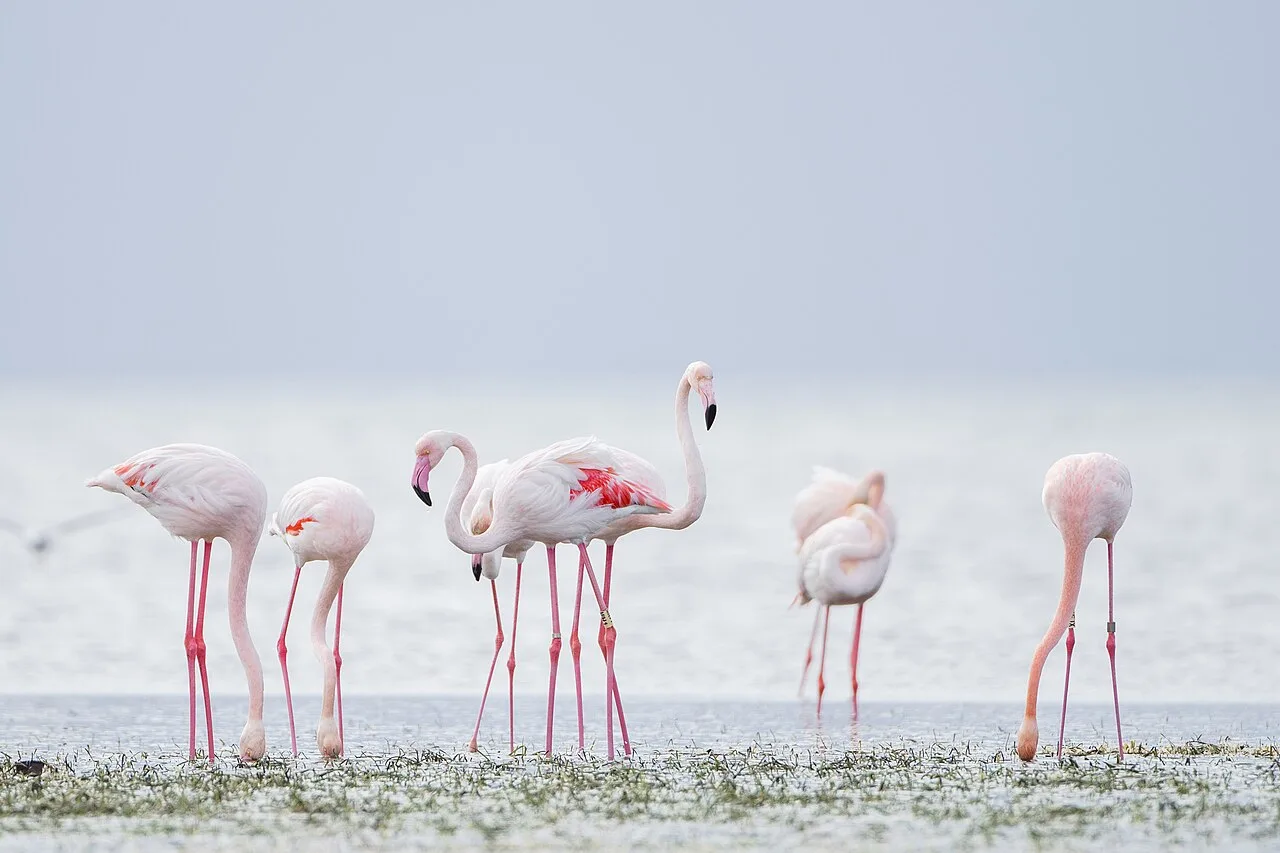
The most spectacular sight in Djerba is undoubtedly the flamingos. From November to March, entire colonies settle at Ras Rmel, classified as a nature reserve. Their pink plumage reflects in the shallow waters, creating scenes of striking beauty.
A personal note from Ahmed, our founder: around Ras Rmel, the flamingo island, I have also often spotted dolphins — and at Ajim too, when taking the battah, the Ajim–Jorf ferry.
The Boughrara lagoon, in the south-west of Djerba, is the island’s second major birdwatching site. Both wetlands welcome hundreds of flamingos during the winter season. Early morning or late afternoon, at low tide, the light is ideal for watching and photographing them. Children are always amazed by these tall, elegant birds. For more detail, see Ramsar wetland site for Djerba (protected wildlife).
Other birds to discover
Djerba hosts far more than flamingos. Throughout the seasons, you can observe:
- Grey herons and egrets — present year-round in the wetland areas
- Cormorants — tireless divers that children love watching
- European bee-eaters — colourful birds visible in spring and summer
- Common kestrels — hovering above the olive groves
- Hoopoes — with their distinctive crest, frequent visitors to gardens
- Terns and gulls — along the beaches and rocky coastlines
The diversity of habitats in Djerba — lagoons, sebkhas (salt lakes), olive groves, sandy and rocky coasts — explains this exceptional ornithological richness.
Family birdwatching: our practical tips
You do not need to be an ornithologist to enjoy this activity. Here are our tips for a successful outing with children:
When to go? Early morning (7am-9am) or late afternoon (4pm-6pm) are the best times, ideally at low tide when flamingos feed on the mudflats. Peak season is autumn-winter (November to March) for flamingos and migratory species.
Where to go? Two major sites:
- Ras Rmel — the nature reserve, the main flamingo site
- Boughrara lagoon (south-west) — the second major wetland, rich in wading birds
What to bring? Binoculars if you have them (even an inexpensive pair will do) — they make all the difference. Also bring water, hats, sunscreen and closed shoes for the wetland areas. A camera with a good zoom will delight children who want to “capture” the birds.
With children: Make it a game! Count different species, draw the birds in a notebook, compare sizes. Younger children love imitating bird calls. It is an activity that develops patience and observation skills.
Respecting wildlife: the golden rule
One principle above all: never disturb the birds. Flamingos are particularly sensitive to human presence. Keep your distance (at least 100 metres), speak softly, do not run, and never try to make them fly off to “get a good photo”. A startled bird wastes precious energy, especially during migration season.
Teaching children this patience and respect passes on a lesson that goes far beyond birdwatching.
Combining beach and nature
The advantage of Djerba is that you can combine a morning of birdwatching with an afternoon at the beach. Ras Rmel suits this plan well. Leave early, watch the flamingos, then enjoy the beach and sea before lunch — exactly the kind of balanced day that families appreciate.
Guided tours for the whole family
Several local guides offer birdwatching excursions designed for families. These outings typically last 2 to 3 hours and include transport from your villa. The guide provides binoculars and shares knowledge about each species encountered. It is a wonderful educational experience for children, who leave with a real observation notebook filled with drawings and notes.
During your stay, we can put you in touch with trusted guides — just ask our customer service or use the Activities section of the guest app.
An ecosystem to protect
Nature deserves our attention and our respect. Watching the birds of Djerba without disturbing them, staying on the paths, leaving no waste behind, teaching our children the value of every creature — this too is passing on real values in daily life.
Djerba is part of Tunisia’s Important Bird Areas, and every respectful visitor helps preserve this natural heritage for future generations.
Discover our villas
Stay in a private villa close to Djerba’s most beautiful natural sites:
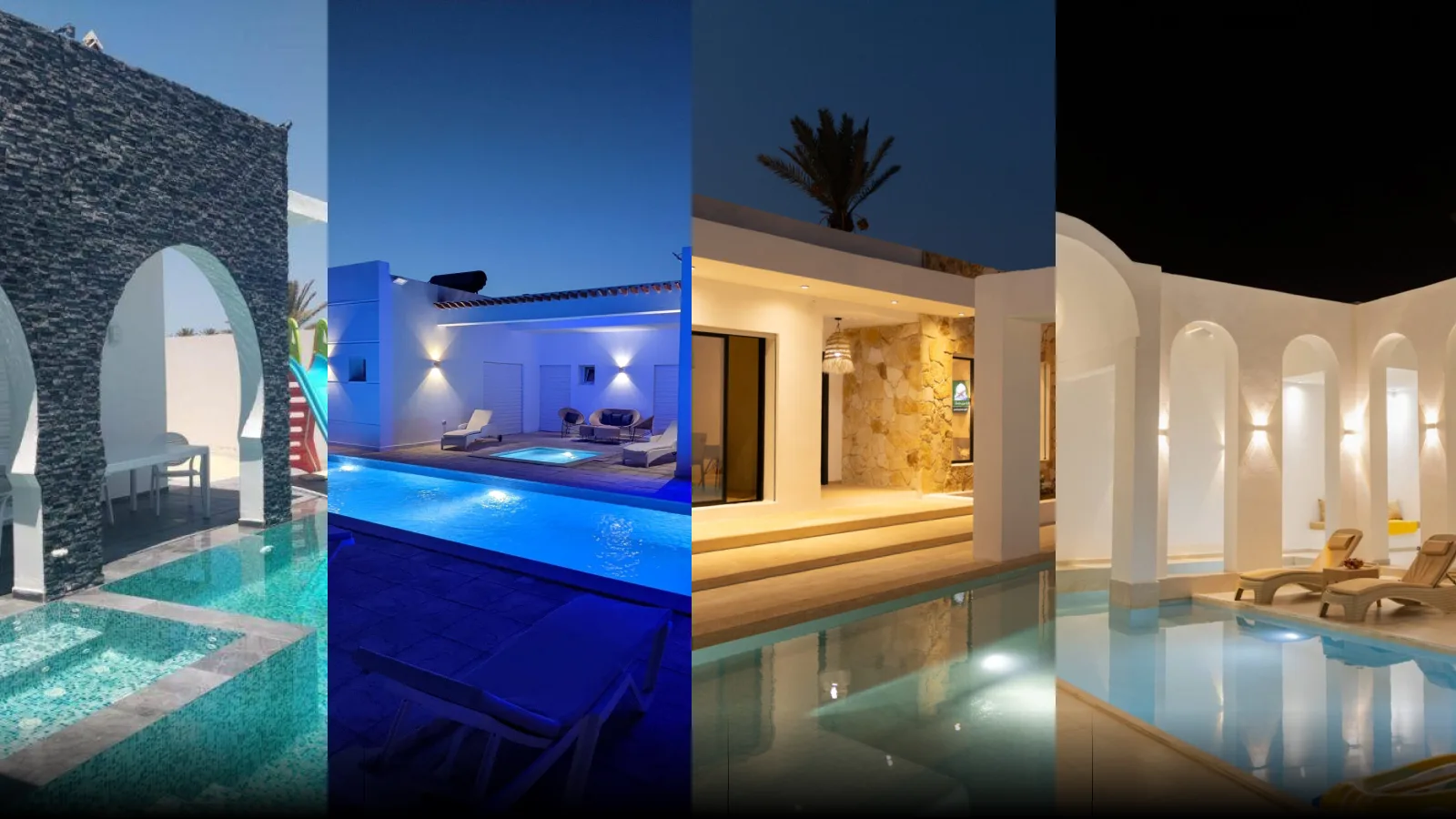
- Villa Diamant — our prestige villa with a private pool that can be heated (paid option) and no overlooking neighbours
- Villa Saphir — spacious, perfect for large families
- Villa Opale — charm and comfort in a quiet residential setting (10 min by car from the beach)
- Villa Jade — cosy and intimate for smaller families


